Kath-Kuni Timber Architecture
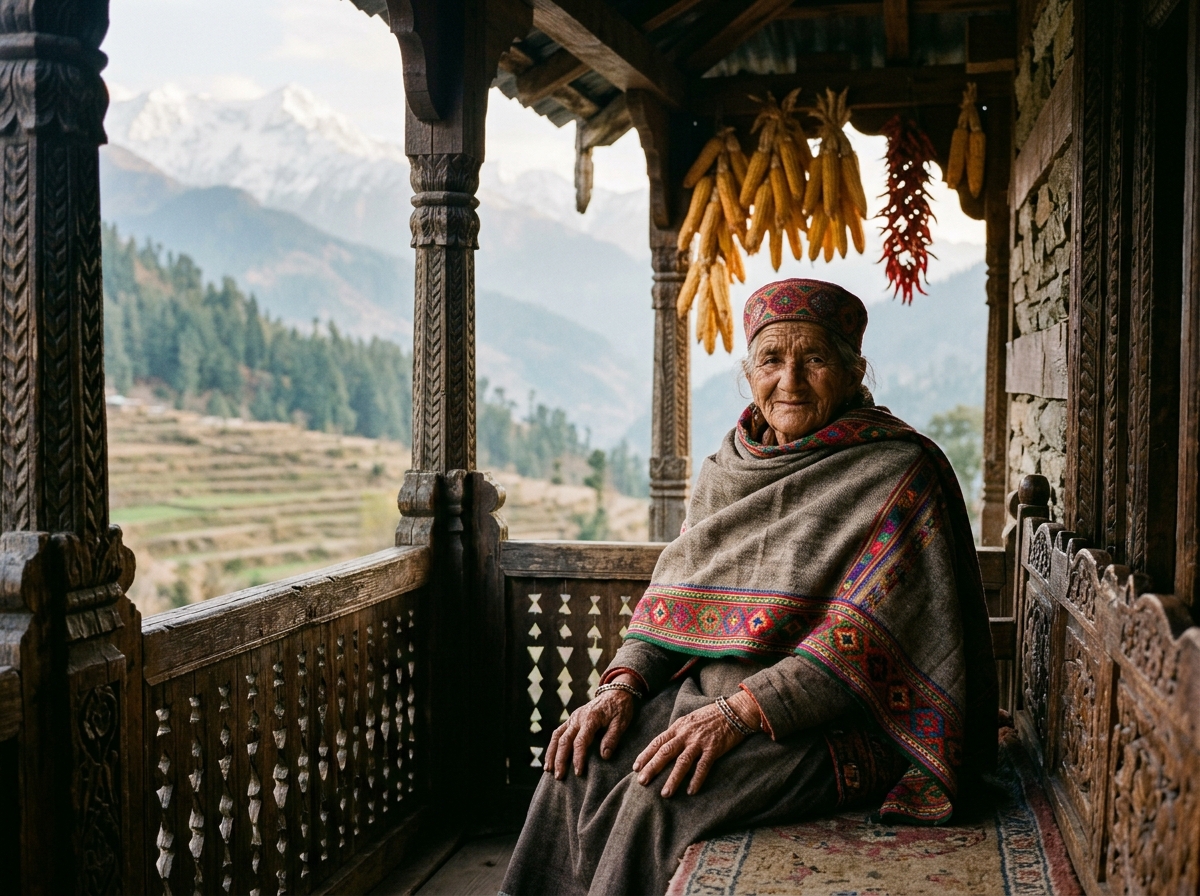
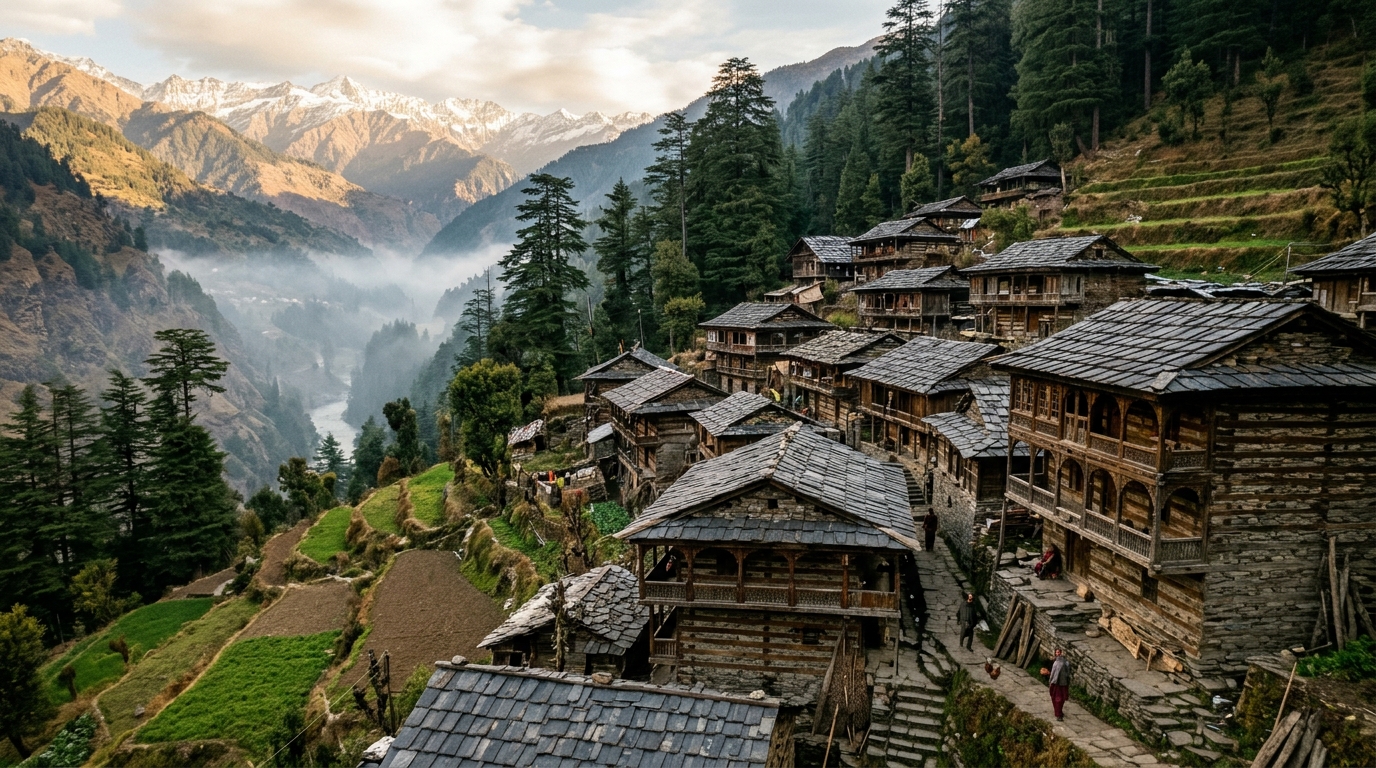
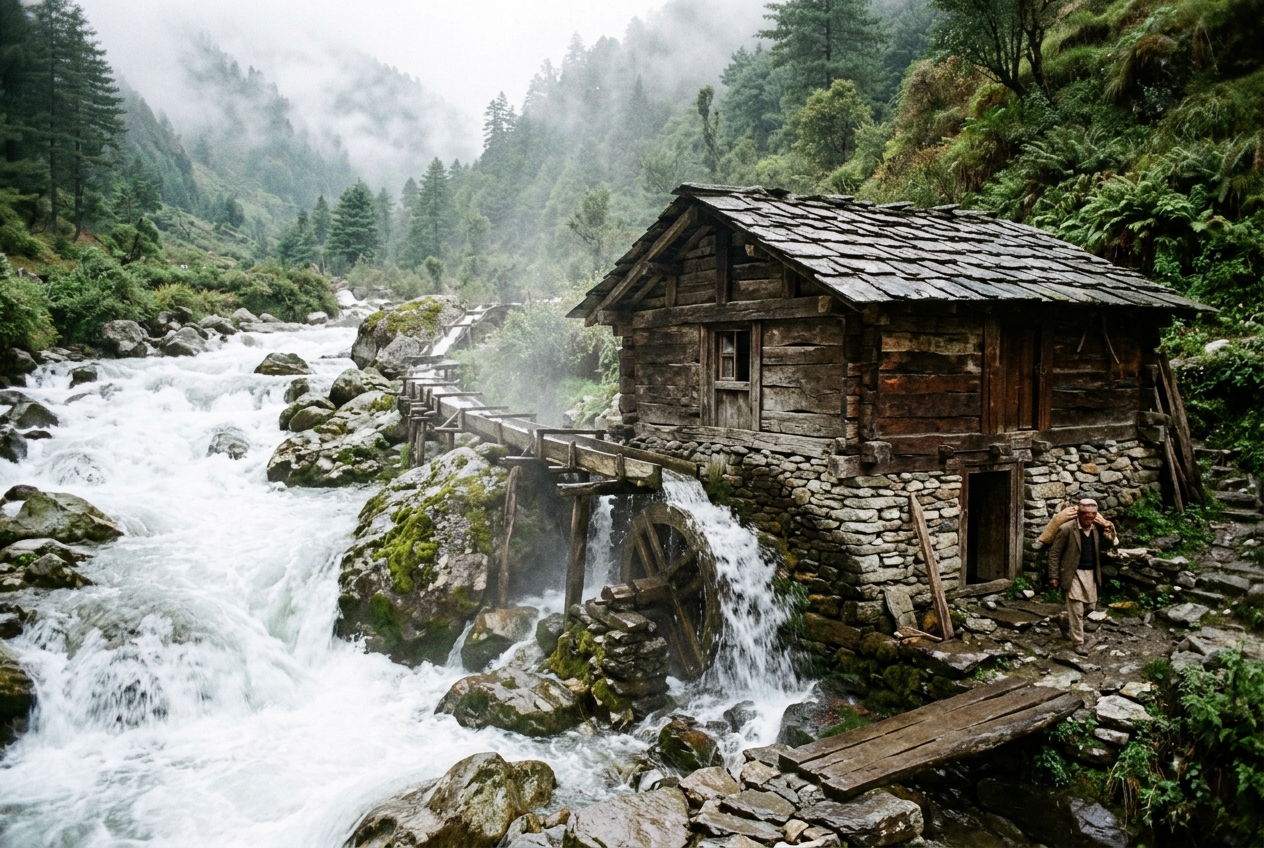
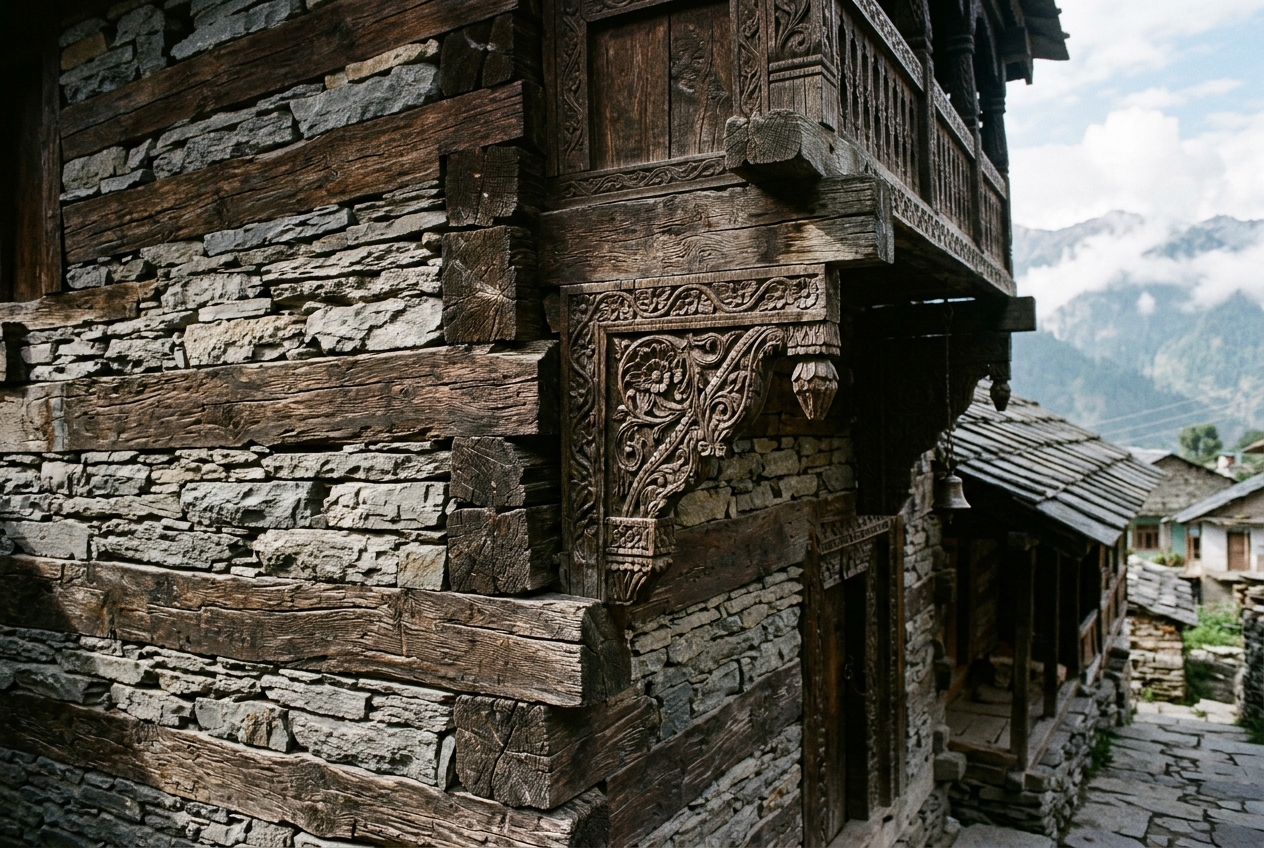
Alternating bands of local cedar deodar beams and slate stones laid without mortar. This indigenous mountain engineering allows homes and temples to flex safely during Himalayan seismic tremors.
Theog is a historic town and tehsil perched high in the Shimla hills, sitting at 2,310 meters above sea level and 28 kilometers eastward from the state capital.
With first recorded settlements dating back to 1902, Theog emerged as an indispensable trading hub and gateway along the historic trade tracks to Tibet. Defined by its unique amphitheatre of five distinct ghats (ridges)—Premghat, Rahighat, Deorighat, Janoghat, and Bagaghat—it has preserved centuries of indigenous Kath-Kuni architectural wisdom, apple cultivation, and oral histories.
Alternating bands of local cedar deodar beams and slate stones laid without mortar. This indigenous mountain engineering allows homes and temples to flex safely during Himalayan seismic tremors.
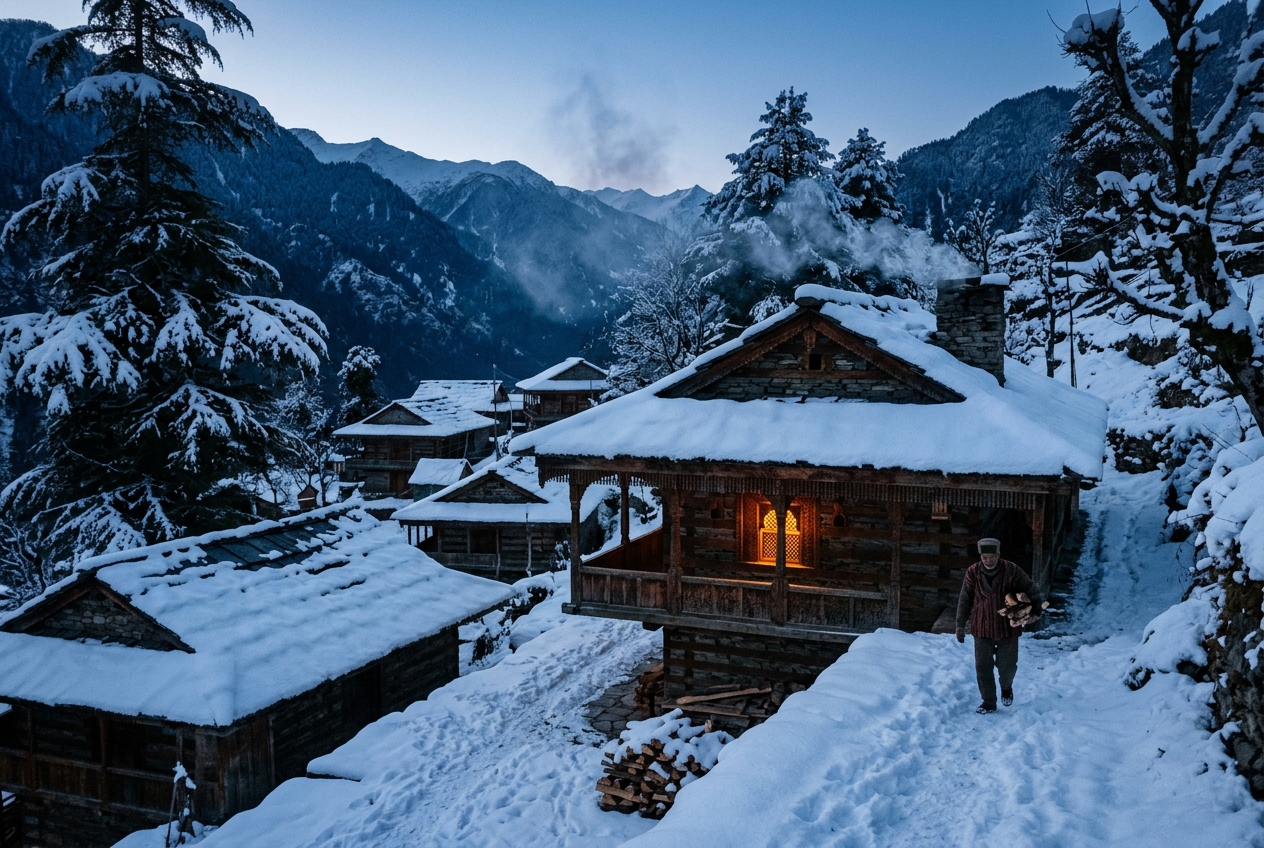
Rahi Ghat, Deori Ghat, Prem Ghat, Jano Ghat, and Baga Ghat form the natural contours of Theog. Each ridge carries its own micro-climate, village deity shrines, and family clans.
Theog lies at the frontier of Himachal's renowned apple belt. Spring paints the terraced mountain slopes in snow-white apple blossoms, turning into deep ruby harvests by late summer.
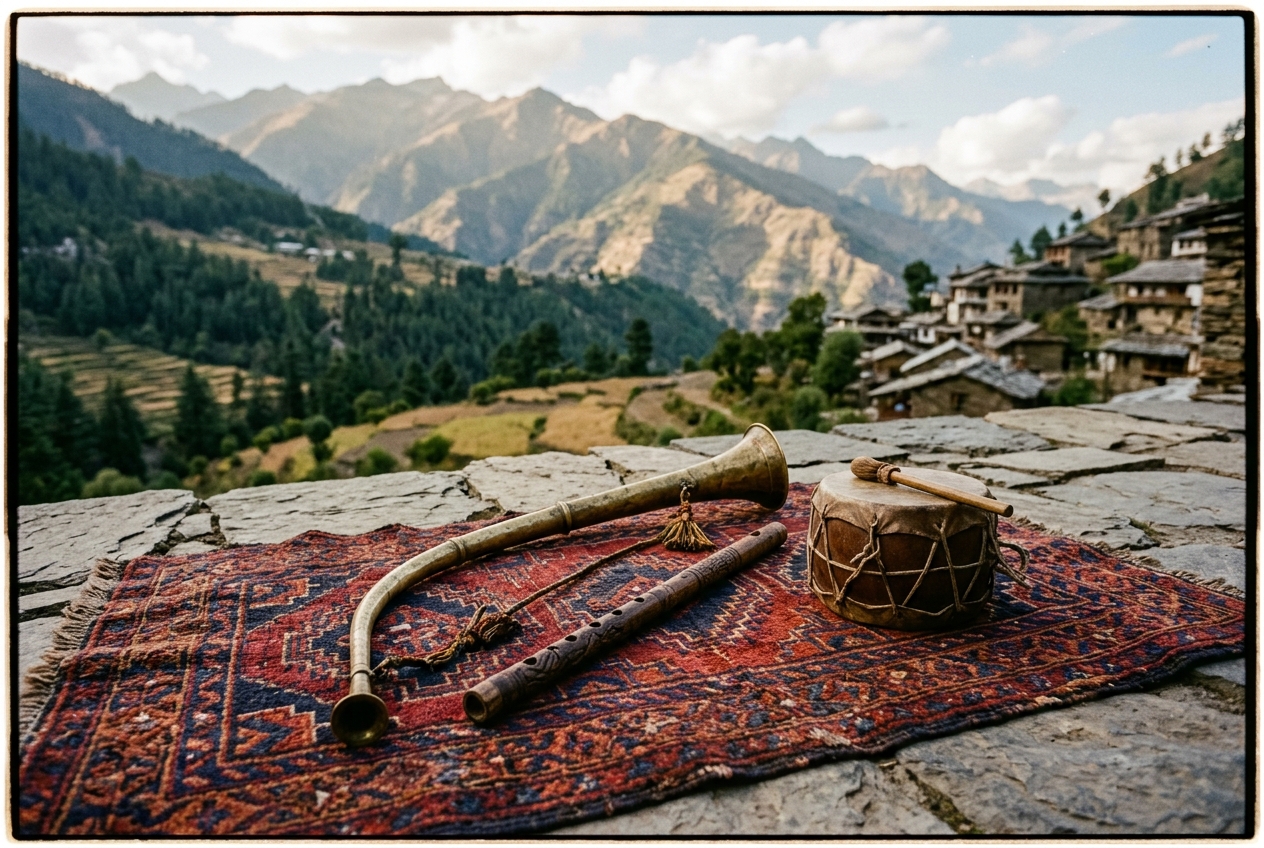
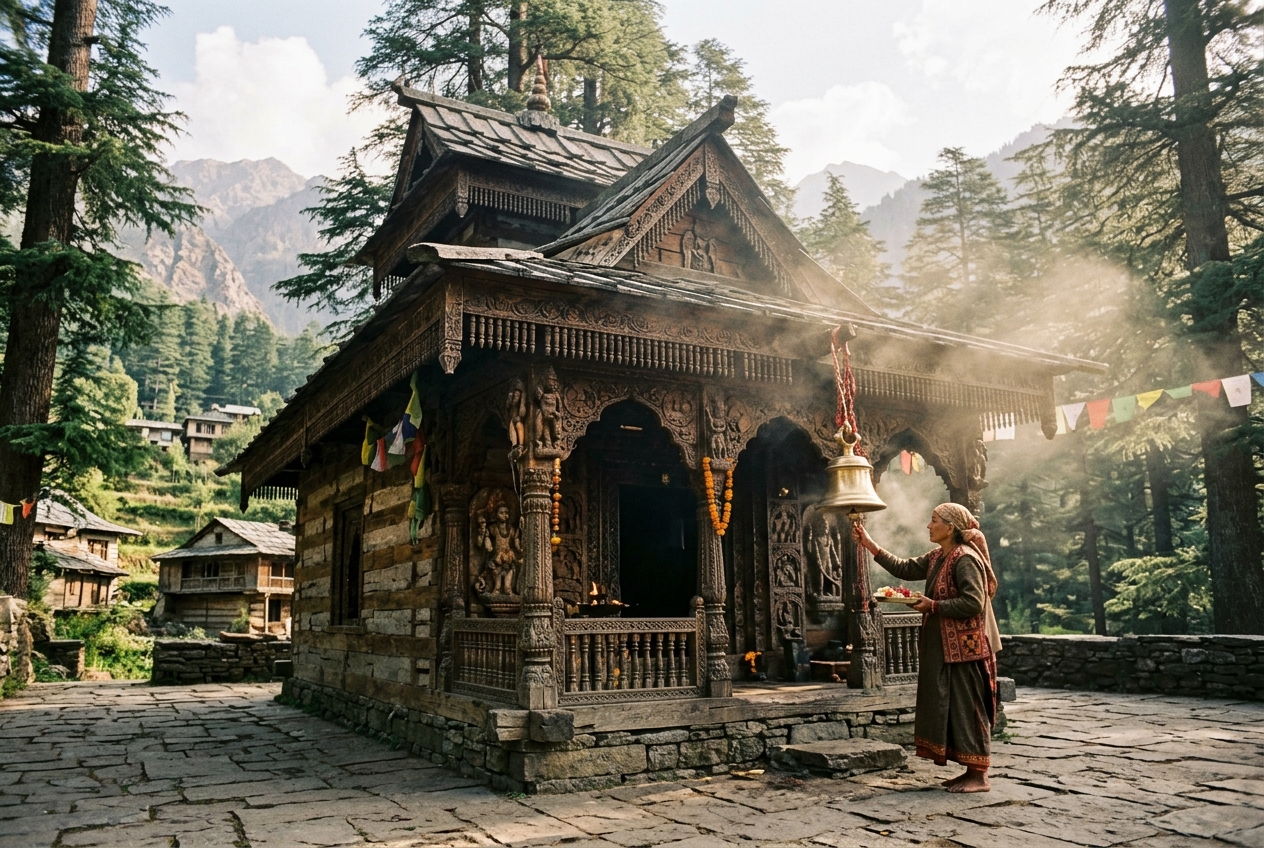
Sacred village deities remain the spiritual governors of the ridge. Elders gather under cedar canopies to recount the legends of princely state treaties and the first mountain postal routes.
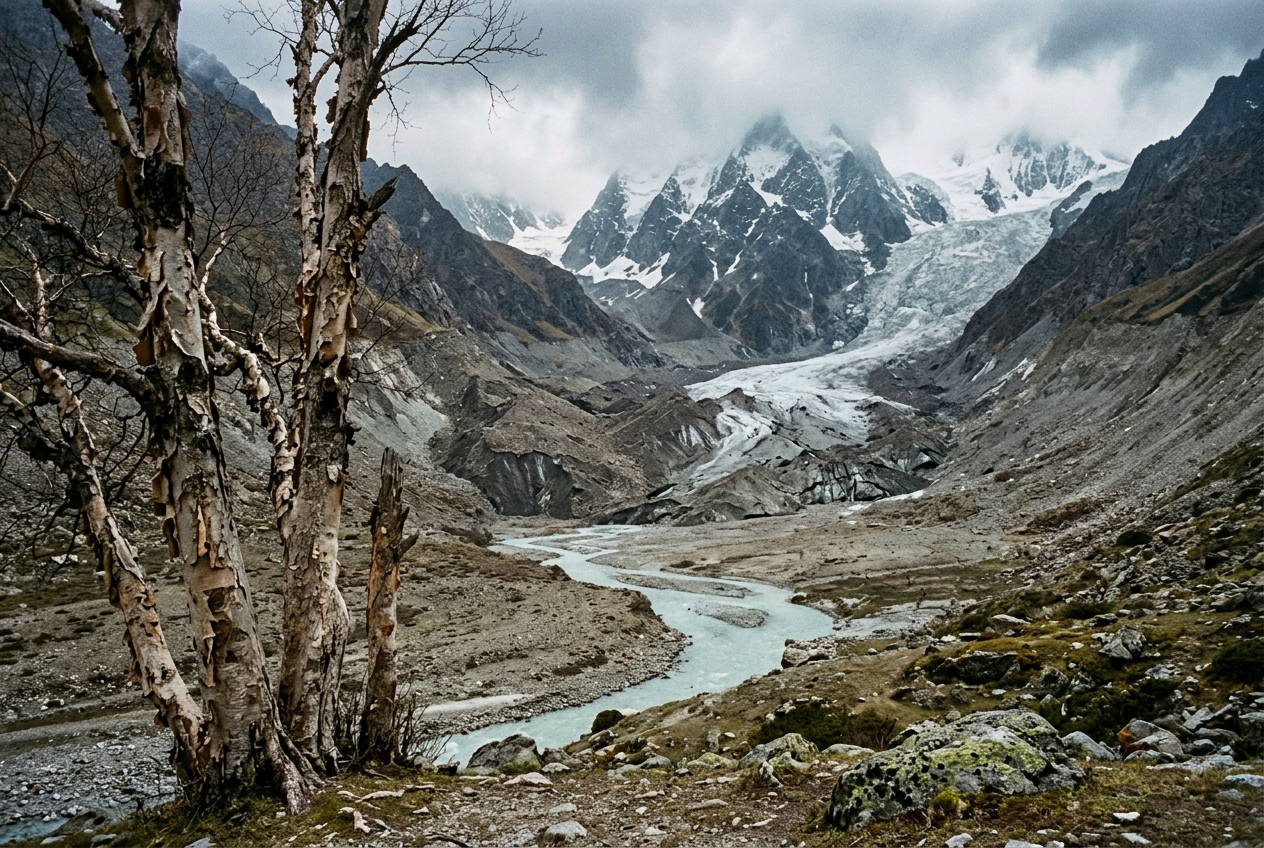
Vantage points, ancient roads, and sacred groves that define the everyday life of the ridge.
Do you have vintage family photographs, oral recordings from your grandparents, folk songs, or documents from Theog? Contribute them to the Mera Ganv digital archive and keep the mountain memory alive.